Understanding Dietary Fibre Types
What is Dietary Fibre?
Dietary fibre comprises carbohydrate compounds that resist digestion in the human small intestine. Unlike other carbohydrates, fibre is not broken down into glucose for energy but instead passes largely intact to the colon. This unique property gives fibre its distinctive physiological effects.
Soluble Fibre: Properties and Functions
Soluble fibre dissolves in water, forming a gel-like substance in the digestive tract. This viscosity slows gastric emptying and nutrient absorption, moderating blood glucose elevation after meals and promoting satiety. Soluble fibre also serves as substrate for beneficial gut bacteria, producing short-chain fatty acids that support colon health.
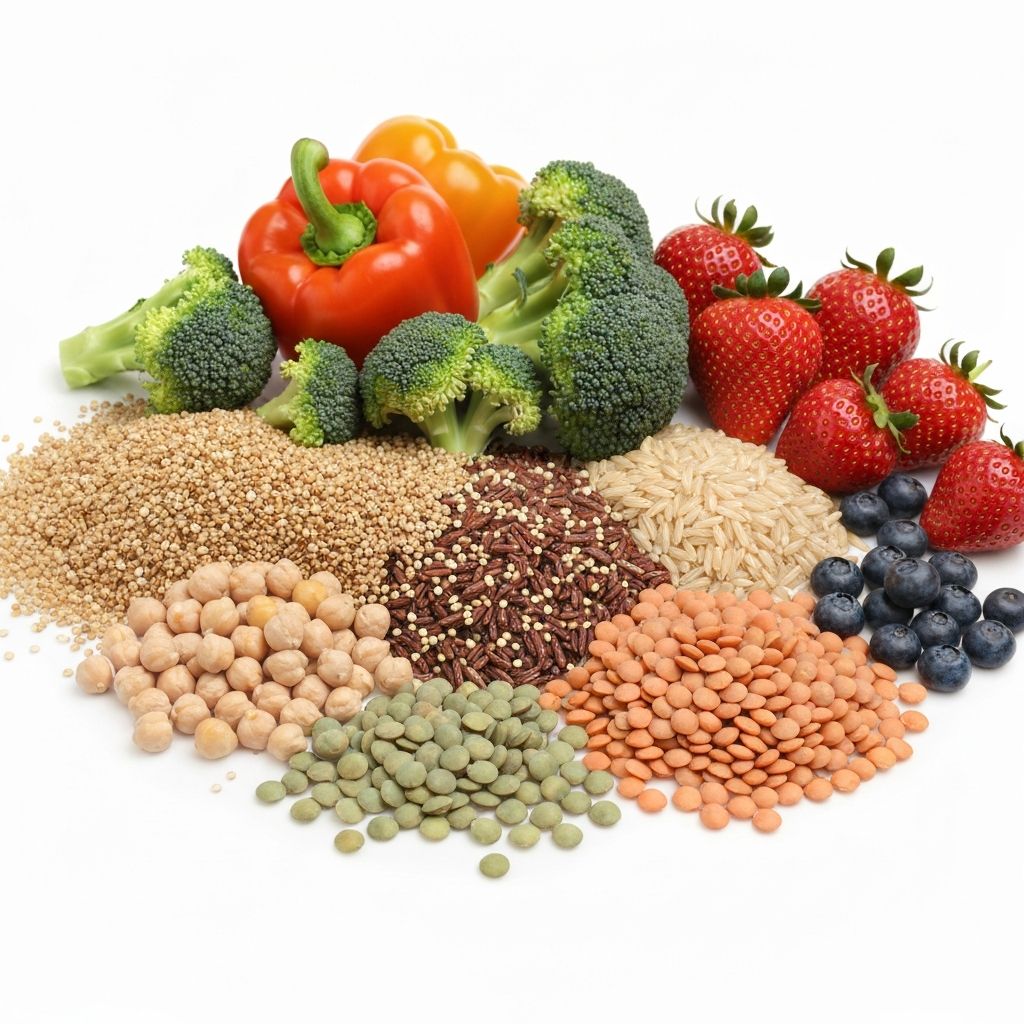
Sources of soluble fibre include oats, barley, legumes, apples, berries, and citrus fruits. The consistency of porridge made from oats—thickening as liquid is added—demonstrates soluble fibre's water-holding capacity.
Insoluble Fibre: Properties and Functions
Insoluble fibre does not dissolve in water, instead retaining its structure as it moves through the digestive tract. This rigidity promotes faecal bulk and intestinal motility, supporting regular bowel function. Insoluble fibre also provides a matrix structure that slows digestion of associated carbohydrates and nutrients.
Insoluble fibre sources include whole grains, bran, vegetables (especially skins and leafy portions), nuts, and seeds. The coarse texture of whole wheat grain reflects its insoluble fibre content.
Fibre and Satiety
Both fibre types influence fullness differently. Insoluble fibre contributes bulk and physical fullness; soluble fibre's gel formation slows digestion and prolongs nutrient absorption. These effects combine to make higher-fibre meals more satiating than refined equivalents.
A bowl of whole grain cereal produces different satiety signals than white bread with identical carbohydrate content, largely due to fibre's structural effects on digestion rate.
Fibre and Metabolic Health
Adequate fibre intake is associated with improved blood glucose stability, healthier cholesterol profiles, and beneficial changes in gut microbiota composition. The mechanisms involve direct effects on digestion rate, production of short-chain fatty acids, and prebiotic nourishment of beneficial bacteria.
However, fibre's effects are not uniform across all individuals. Gut microbiota composition, individual metabolism, and adaptation to increased fibre intake influence outcomes.
Fibre Sources Vary in Composition
Different foods contain different fibre ratios and types. Oats are high in soluble fibre; whole wheat is predominantly insoluble. Legumes contain both types. Vegetables vary: carrot skin contains insoluble fibre while the flesh contains more soluble fibre.
A diverse diet including varied whole plant foods naturally provides a broad spectrum of fibre types and prebiotic compounds, rather than relying on any single source.
Fibre Intake Considerations
Adequate fibre intake supports digestive health and metabolic function, but very rapid increases can cause temporary digestive distress. Gradual increases in fibre intake, accompanied by adequate fluid consumption, allow the digestive system and gut microbiota to adapt.
Individual fibre tolerance varies. Some people thrive with higher intake; others experience digestive symptoms at levels others tolerate easily. Context, adaptation period, and associated lifestyle factors all influence fibre tolerance.
Context and Consideration
This article provides educational information about fibre types and their physiological functions. Individual fibre needs and tolerance vary. For specific recommendations regarding your own fibre intake, consultation with qualified healthcare or nutrition professionals is appropriate.
Information Disclaimer
This content is provided for educational purposes only and does not constitute personal nutritional or medical advice. The information herein represents general knowledge of nutritional science. No outcomes are promised or implied. Individual fibre tolerance and needs vary significantly based on current intake, gut microbiota composition, digestive health, and personal circumstances. For guidance tailored to your specific situation, consult with qualified nutritionists or healthcare providers.