Carbohydrate Forms and Body Processing
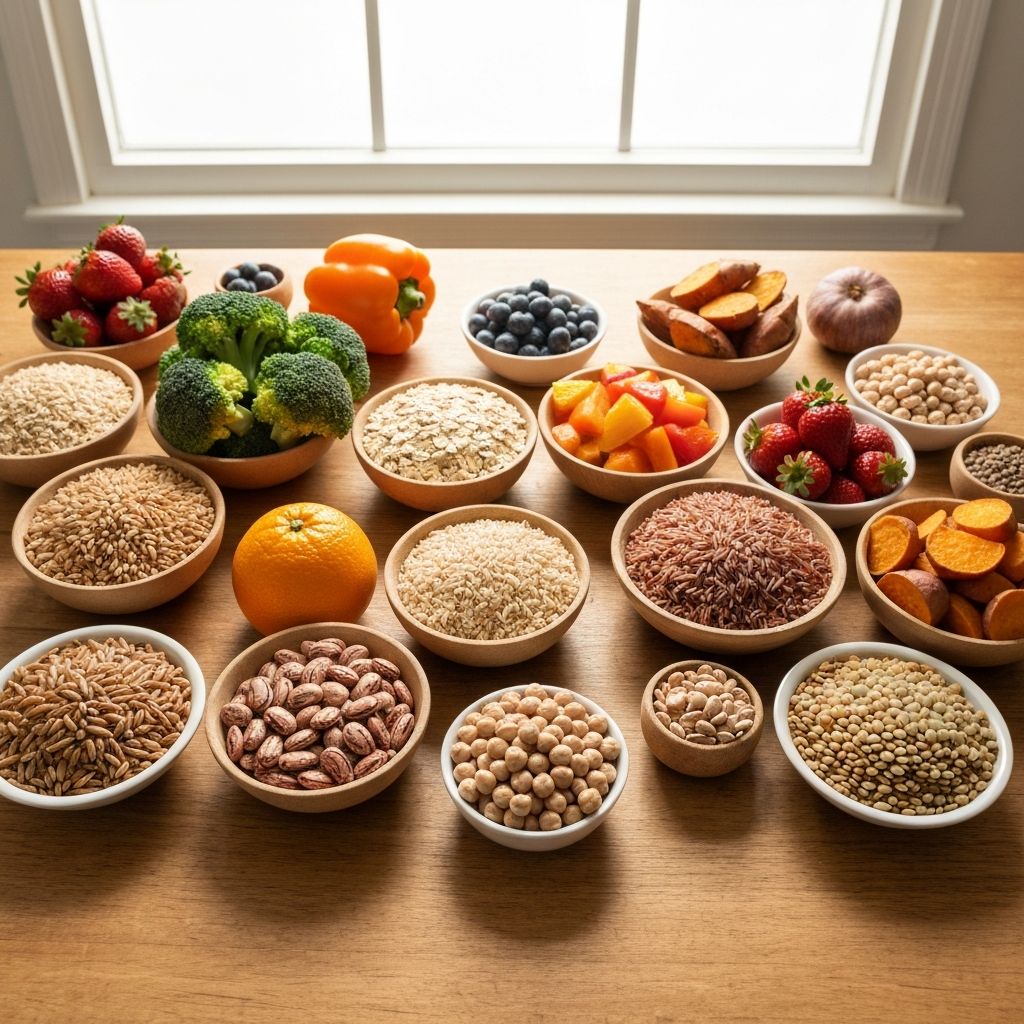
Beyond Simple Carbohydrate Categorisation
Carbohydrates are often divided into "simple" and "complex" categories, but this classification oversimplifies the metabolic reality. A more nuanced understanding considers carbohydrate structure, food processing, fibre content, and the overall food matrix in which carbohydrates exist.
Structural Distinctions
At the molecular level, carbohydrates range from single sugar molecules (monosaccharides) to chains of thousands of glucose units (polysaccharides). Glucose, fructose, and galactose are monosaccharides; sucrose, lactose, and maltose are disaccharides; starches and fibre are polysaccharides.
This structural variation matters physiologically. Glucose enters the bloodstream readily and triggers insulin response. Fructose undergoes different metabolic pathways and has different effects on satiety signalling. The presence of fibre around starch molecules affects digestion rate and glycaemic response dramatically.
Food Processing Effects
Processing profoundly alters how the body processes carbohydrates. Intact whole grains retain their fibre matrix, slowing starch digestion and creating a gradual glycaemic response. Refined grains have fibre removed, allowing rapid starch breakdown and sharp blood glucose elevation.
Two foods with identical carbohydrate and fibre content can produce vastly different metabolic responses based on physical processing. For example, whole grain flour behaves differently from steel-cut oats despite similar macronutrient profiles, due to differences in particle structure and digestibility.
Glycaemic Response and Individual Variation
The glycaemic response to carbohydrates varies significantly between individuals, influenced by factors including insulin sensitivity, gut microbiota composition, meal composition, and metabolic adaptation to previous dietary patterns. Foods that produce gradual blood glucose elevation in one individual might produce sharper responses in another.
This individual variation means that generalisations about "good" versus "bad" carbohydrates oversimplify the complex, personalised nature of metabolic response.
Satiety and Energy Balance
Carbohydrates in different forms influence fullness differently. Refined carbohydrates are often less satiating than whole food sources, potentially leading to higher overall energy intake. The presence of fibre, protein, and fat alongside carbohydrates significantly alters satiety signals and post-meal energy levels.
A bowl of oatmeal with nuts produces different hunger patterns than an equivalent calorie amount of refined breakfast cereal, despite similar carbohydrate content. This reflects how carbohydrate form and food context influence appetite regulation.
Carbohydrate Quality in Context
Higher-quality carbohydrate sources—whole grains, legumes, vegetables, fruits—provide not only carbohydrate but also fibre, micronutrients, and polyphenols that refined sources lack. These additional components have independent health effects beyond energy provision.
However, carbohydrate quality exists within the context of overall dietary pattern. A single "poor quality" carbohydrate choice doesn't determine health outcomes; consistent patterns do.
Individual Tolerance and Context
Individual carbohydrate tolerance varies widely based on genetics, activity level, health status, and metabolic adaptation. Some individuals thrive with higher carbohydrate intake; others feel better with lower proportions. Neither approach is universally optimal.
Context matters: an athlete in training has different carbohydrate needs than a sedentary person; a person with insulin resistance may benefit from different carbohydrate distribution than someone with normal glucose tolerance.
Context and Consideration
This article provides educational information about how carbohydrates are processed and how different forms affect metabolism. Individual carbohydrate needs and tolerance vary widely. For specific recommendations regarding your own carbohydrate intake, consultation with qualified healthcare or nutrition professionals is appropriate.
Information Disclaimer
This content is provided for educational purposes only and does not constitute personal nutritional or medical advice. The information herein represents general knowledge of nutritional science. No outcomes are promised or implied. Individual carbohydrate tolerance and needs vary significantly based on genetics, activity level, health status, and personal circumstances. For guidance tailored to your specific situation, consult with qualified nutritionists or healthcare providers.